|
var TRINITY_TTS_WP_CONFIG = {"cleanText":"7 Ways to Accelerate Action for Women in Australian Construction.\u23f8\u2587As we approach International Women\u2019s Day (IWD) 2025, there\u2019s a bit of confusion swirling around this year\u2019s theme. A quick Google search might leave you scratching your head, as two different themes seem to be competing for attention. On one hand, the website internationalwomensday.com highlights \u201cAccelerate Action\u201d as the theme, while the United Nations has put forward \u201cMarch Forward.\u201d This discrepancy has left me wondering: which theme truly resonates with where we are today, especially in the context of progress and construction?\u23f8\u2587It\u2019s not hard to see why this mix-up might happen\u2014after all, the UN\u2019s official theme isn\u2019t always the first result that pops up online. But it\u2019s got me thinking: does the UN\u2019s \u201cMarch Forward\u201d capture what\u2019s needed right now, or is there something more fitting about \u201cAccelerate Action\u201d? .\u23f8\u2587The United Nations' Vision For Gender Equality\u23f8\u2587In 1995, the Beijing Declaration was revolutionary. Imagine 189 countries converging, not to build physical infrastructure, but to construct a philosophical framework for gender equality. They identified 12 critical areas of concern: from women in power to economic independence. The vision was audacious \u2013 dismantle systemic barriers, create equitable opportunities, and transform societal structures.\u23f8\u2587Fast forward to 2025, and the construction industry stands as a stark testament to how slowly those promises transform into tangible reality. While other sectors have seen incremental progress, construction remains a fortress of male dominance, with women representing a mere 12.7% of the workforce.\u23f8\u2587The 2025 Theme: A Hollow March or a Genuine Stride?\u23f8\u2587\"March Forward: From Promises to Progress\" sounds inspiring, but in Australian construction, it rings hollow. What progress? Our industry hasn't been marching; it's been standing rigidly, resistant to change.\u23f8\u2587Take Sarah Thompson's story \u2013 a senior engineer I coached last month. With 15 years of experience, she's seen more walls built against her than she's helped construct. \"In my first decade,\" she shared, \"I was often the only woman on site. Not just in my team, but sometimes in the entire project.\" Her experience isn't unique; it's systematic.\u23f8\u2587The Real Construction Challenge: Action, Not Rhetoric\u23f8\u2587Our industry doesn't need another theme. We need a demolition plan for outdated structures \u2013 both physical and cultural. The current 26.1% gender pay gap isn't a gap; it's a canyon. The 16.5% women in leadership positions isn't representation; it's tokenism.\u23f8\u2587In my opinion, here are the numbers that truly matter:\u23f8\u2587- 12.7% women in construction workforce\u23f8\u2587- 26.1% gender pay disparity\u23f8\u2587- 16.5% in leadership roles\u23f8\u2587- 8.9% women-owned construction businesses\u23f8\u2587These aren't statistics. They're indictments.\u23f8\u2587The inconvenient truth is that We're not \"marching forward\" in Australian construction. We desperately need a complete site renovation. Our theme isn't a march; it's an excavation \u2013 digging out deeply embedded systemic barriers.\u23f8\u2587With Construction contributing $360 billion annually to the economy and employing over 1.15 million people, yet there's a severe talent shortage that threatens to undermine the nation's housing and infrastructure development. The housing deficit is not merely a statistical concern but a pressing national crisis demanding innovative workforce solutions.\u23f8\u2587The National Housing and Homelessness Agreement reveals that Australia needs an additional 500,000 homes by 2029. This ambitious target cannot be met with the current workforce composition, which remains predominantly male and fails to tap into the full potential of diverse talent pools - the glaring reality remains: we need an accelerated action in diversifying the workforce.\u23f8\u2587Like a multi-headed hydra, systemic challenges persist: a 26.1% gender pay gap, only 16.5% of leadership roles held by women, and a mere 8.9% of construction businesses owned by women. While companies like Multiplex, Lendlease, and John Holland prove that change is not only possible but profitable\u2014with gender-diverse projects demonstrating 25% higher productivity and 23% improved outcomes\u2014these statistics underscore the urgent need to accelerate action, not simply march forward.\u23f8\u2587The path to progress requires more than good intentions; it demands concrete action and measurable commitments. As Australia's construction boom continues, with over $123 billion worth of projects in the pipeline for 2025, the industry faces a critical choice: maintain the status quo or seize the opportunity to build a more inclusive future.\u23f8\u2587Leading firms are discovering that accelerating action for women isn't just about equality \u2013 it's about securing the industry's future in an increasingly competitive market where diversity drives innovation, enhances problem-solving, and strengthens bottom-line results.\u23f8\u2587At EPIC, we are committed to accelerating action, not merely marching forward. We recognize that past efforts, while valuable, are insufficient. Our focus is on urgent, targeted steps to advance gender equity in Australian Construction. On this International Women's Day, we present 7 Recommendations to drive meaningful change:\u23f8\u25871. Championing Women in Leadership\u23f8\u2587The Australian construction industry faces a significant leadership gap, with women occupying only 16.5% of key leadership positions according to the Workplace Gender Equality Agency (WGEA). Leading firms like Multiplex and Lendlease are taking actionable steps to change this:\u23f8\u2587- Multiplex's \"Women in Construction\" program has increased female leadership representation from 12% to 22% in three years through targeted development initiatives\u23f8\u2587- Lendlease's commitment to 50:50 gender balance in leadership by 2025 includes mandatory leadership training for high-potential women\u23f8\u2587- John Holland's \"Catalyst\" program registers women for the Company Directors Course, resulting in a 30% increase in female board representation\u23f8\u2587\u00a0Action Steps for Companies:\u23f8\u2587- Register women for leadership development programs like the Australian Institute of Company Directors course\u23f8\u2587- Implement structured Coaching and mentoring programs pairing senior leaders with emerging female talent\u23f8\u2587- Set specific targets for women in leadership positions with clear accountability measures\u23f8\u25872. Promoting Gender Equality in Pay\u23f8\u2587Australia's construction industry maintains one of the highest gender pay gaps at 26.1%, significantly above the national average of 14.1%. Success stories in addressing this include:\u23f8\u2587- Built's comprehensive pay audit system that reduced their pay gap by 8% in 18 months\u23f8\u2587- Hansen Yuncken's transparent pay scales and promotion criteria\u23f8\u2587- Probuild's \"Equal Pay for Equal Work\" initiative, resulting in a 12% reduction in their pay gap\u23f8\u2587Proven Strategies:\u23f8\u2587- Implement bi-annual pay equity audits\u23f8\u2587- Establish clear pay bands and career progression frameworks\u23f8\u2587- Remove salary history questions from hiring processes\u23f8\u2587- Create transparent bonus and overtime allocation systems\u23f8\u25873. Creating Equal Opportunities in the Workplace\u23f8\u2587Currently, women represent only 12.7% of the construction workforce, with significant barriers to entry and advancement. Successful initiatives include:\u23f8\u2587- CIMIC Group's \"FlexWork\" program, increasing female retention by 25%\u23f8\u2587- Cockram Construction's \"Return to Work\" program for parents\u23f8\u2587- Kane Constructions' site facilities upgrade program ensuring appropriate amenities for all workers\u23f8\u2587Best Practices:\u23f8\u2587- Implement flexible work arrangements including compressed work weeks\u23f8\u2587- Create parent-friendly policies including on-site childcare facilities\u23f8\u2587- Ensure appropriate facilities and PPE designed for women\u23f8\u2587- Establish clear career pathways and skill development opportunities\u23f8\u25874. Supporting Women Entrepreneurs\u23f8\u2587Women-owned businesses comprise only 8.9% of construction companies in Australia. Notable support programs include:\u23f8\u2587- Master Builders Association's \"Women in Construction\" business mentorship program\u23f8\u2587- Property Council of Australia's female entrepreneur grants\u23f8\u2587- Australian Constructors Association's women's business network\u23f8\u2587Support Mechanisms:\u23f8\u2587- Create dedicated funding streams for women-owned construction businesses\u23f8\u2587- Establish supplier diversity programs with specific targets for women-owned businesses\u23f8\u2587- Provide business development and tender writing support\u23f8\u25875. Fostering Innovation through Diversity\u23f8\u2587Research shows diverse teams are 35% more likely to outperform homogeneous teams in construction projects. Success stories include:\u23f8\u2587- Laing O'Rourke's mixed-gender design teams developing innovative modular construction methods\u23f8\u2587- CPB Contractors' diverse project teams reducing project completion times by 23%\u23f8\u2587- McConnell Dowell's inclusive innovation hubs leading to 15% cost savings through diverse perspectives\u23f8\u2587Innovation Strategies:\u23f8\u2587- Create diverse project teams at all levels\u23f8\u2587- Establish innovation committees with minimum 40% female representation\u23f8\u2587- Implement reverse mentoring programs pairing junior women with senior leaders\u23f8\u25876. Advocating for Women's Health and Well-being\u23f8\u2587Construction has one of the highest rates of workplace stress among female employees. Leading initiatives include:\u23f8\u2587- Hutchinson Builders' comprehensive women's health program\u23f8\u2587- Richard Crookes Constructions' mental health support system\u23f8\u2587- BMD Group's pregnancy and return-to-work support program\u23f8\u2587Health Support Framework:\u23f8\u2587- Implement women-specific health and safety programs\u23f8\u2587- Provide access to mental health support services\u23f8\u2587- Create pregnancy-friendly work environments\u23f8\u2587- Establish return-to-work programs with flexible options\u23f8\u25877. Engaging Men as Allies\u23f8\u2587Successful male allyship programs in Australian construction include:\u23f8\u2587- Watpac's \"Champions of Change\" program\u23f8\u2587- BESIX Watpac's male ally network\u23f8\u2587- FDC Construction's \"Men Championing Change\" initiative\u23f8\u2587Allyship Strategies:\u23f8\u2587- Create formal male ally programs with training and accountability\u23f8\u2587- Establish mentorship programs pairing senior male leaders with emerging female talent\u23f8\u2587- Implement unconscious bias training for all employees\u23f8\u2587- Create accountability measures for male leaders in supporting gender equality\u23f8\u2587Conclusion\u23f8\u2587The echoes of Beijing's 1995 declaration still reverberate, a three-decade-old promise of women's empowerment that feels more like an architectural blueprint never fully constructed. In Australian construction \u2013 an industry as masculine as its concrete and steel \u2013 those promises have been nothing more than scaffolding without a building.\u00a0\u23f8\u2587The Australian construction industry has made progress, but significant work remains. Companies can accelerate change by:\u23f8\u2587- Setting specific, measurable targets for women's advancement\u23f8\u2587- Implementing comprehensive support programs\u23f8\u2587- Creating accountability measures for gender equality initiatives\u23f8\u2587- Engaging all stakeholders in the change process\u23f8\u2587Success requires sustained commitment and investment in these seven key areas, transforming the construction industry into an equitable and inclusive sector for all.\u23f8\u2587Take Action Now:\u23f8\u2587Assess your company's current gender equality metrics\u23f8\u2587Implement at least three strategies from this framework\u23f8\u2587Set specific targets for improvement\u23f8\u2587Create accountability measures for progress\u23f8\u2587Join industry initiatives promoting women in construction\u23f8\u2587Register your women for EPIC Coaching Program as part of your International Women's Day Program\u23f8\u2587For more information on implementing these strategies, contact Angela Hucker, a seasoned construction expert with close to 30 years of experience as FIFO Worker.","headlineText":"7 Ways to Accelerate Action for Women in Australian Construction","articleText":"As we approach International Women\u2019s Day (IWD) 2025, there\u2019s a bit of confusion swirling around this year\u2019s theme. A quick Google search might leave you scratching your head, as two different themes seem to be competing for attention. On one hand, the website internationalwomensday.com highlights \u201cAccelerate Action\u201d as the theme, while the United Nations has put forward \u201cMarch Forward.\u201d This discrepancy has left me wondering: which theme truly resonates with where we are today, especially in the context of progress and construction?\u23f8\u2587It\u2019s not hard to see why this mix-up might happen\u2014after all, the UN\u2019s official theme isn\u2019t always the first result that pops up online. But it\u2019s got me thinking: does the UN\u2019s \u201cMarch Forward\u201d capture what\u2019s needed right now, or is there something more fitting about \u201cAccelerate Action\u201d? .\u23f8\u2587The United Nations' Vision For Gender Equality\u23f8\u2587In 1995, the Beijing Declaration was revolutionary. Imagine 189 countries converging, not to build physical infrastructure, but to construct a philosophical framework for gender equality. They identified 12 critical areas of concern: from women in power to economic independence. The vision was audacious \u2013 dismantle systemic barriers, create equitable opportunities, and transform societal structures.\u23f8\u2587Fast forward to 2025, and the construction industry stands as a stark testament to how slowly those promises transform into tangible reality. While other sectors have seen incremental progress, construction remains a fortress of male dominance, with women representing a mere 12.7% of the workforce.\u23f8\u2587The 2025 Theme: A Hollow March or a Genuine Stride?\u23f8\u2587\"March Forward: From Promises to Progress\" sounds inspiring, but in Australian construction, it rings hollow. What progress? Our industry hasn't been marching; it's been standing rigidly, resistant to change.\u23f8\u2587Take Sarah Thompson's story \u2013 a senior engineer I coached last month. With 15 years of experience, she's seen more walls built against her than she's helped construct. \"In my first decade,\" she shared, \"I was often the only woman on site. Not just in my team, but sometimes in the entire project.\" Her experience isn't unique; it's systematic.\u23f8\u2587The Real Construction Challenge: Action, Not Rhetoric\u23f8\u2587Our industry doesn't need another theme. We need a demolition plan for outdated structures \u2013 both physical and cultural. The current 26.1% gender pay gap isn't a gap; it's a canyon. The 16.5% women in leadership positions isn't representation; it's tokenism.\u23f8\u2587In my opinion, here are the numbers that truly matter:\u23f8\u2587- 12.7% women in construction workforce\u23f8\u2587- 26.1% gender pay disparity\u23f8\u2587- 16.5% in leadership roles\u23f8\u2587- 8.9% women-owned construction businesses\u23f8\u2587These aren't statistics. They're indictments.\u23f8\u2587The inconvenient truth is that We're not \"marching forward\" in Australian construction. We desperately need a complete site renovation. Our theme isn't a march; it's an excavation \u2013 digging out deeply embedded systemic barriers.\u23f8\u2587With Construction contributing $360 billion annually to the economy and employing over 1.15 million people, yet there's a severe talent shortage that threatens to undermine the nation's housing and infrastructure development. The housing deficit is not merely a statistical concern but a pressing national crisis demanding innovative workforce solutions.\u23f8\u2587The National Housing and Homelessness Agreement reveals that Australia needs an additional 500,000 homes by 2029. This ambitious target cannot be met with the current workforce composition, which remains predominantly male and fails to tap into the full potential of diverse talent pools - the glaring reality remains: we need an accelerated action in diversifying the workforce.\u23f8\u2587Like a multi-headed hydra, systemic challenges persist: a 26.1% gender pay gap, only 16.5% of leadership roles held by women, and a mere 8.9% of construction businesses owned by women. While companies like Multiplex, Lendlease, and John Holland prove that change is not only possible but profitable\u2014with gender-diverse projects demonstrating 25% higher productivity and 23% improved outcomes\u2014these statistics underscore the urgent need to accelerate action, not simply march forward.\u23f8\u2587The path to progress requires more than good intentions; it demands concrete action and measurable commitments. As Australia's construction boom continues, with over $123 billion worth of projects in the pipeline for 2025, the industry faces a critical choice: maintain the status quo or seize the opportunity to build a more inclusive future.\u23f8\u2587Leading firms are discovering that accelerating action for women isn't just about equality \u2013 it's about securing the industry's future in an increasingly competitive market where diversity drives innovation, enhances problem-solving, and strengthens bottom-line results.\u23f8\u2587At EPIC, we are committed to accelerating action, not merely marching forward. We recognize that past efforts, while valuable, are insufficient. Our focus is on urgent, targeted steps to advance gender equity in Australian Construction. On this International Women's Day, we present 7 Recommendations to drive meaningful change:\u23f8\u25871. Championing Women in Leadership\u23f8\u2587The Australian construction industry faces a significant leadership gap, with women occupying only 16.5% of key leadership positions according to the Workplace Gender Equality Agency (WGEA). Leading firms like Multiplex and Lendlease are taking actionable steps to change this:\u23f8\u2587- Multiplex's \"Women in Construction\" program has increased female leadership representation from 12% to 22% in three years through targeted development initiatives\u23f8\u2587- Lendlease's commitment to 50:50 gender balance in leadership by 2025 includes mandatory leadership training for high-potential women\u23f8\u2587- John Holland's \"Catalyst\" program registers women for the Company Directors Course, resulting in a 30% increase in female board representation\u23f8\u2587\u00a0Action Steps for Companies:\u23f8\u2587- Register women for leadership development programs like the Australian Institute of Company Directors course\u23f8\u2587- Implement structured Coaching and mentoring programs pairing senior leaders with emerging female talent\u23f8\u2587- Set specific targets for women in leadership positions with clear accountability measures\u23f8\u25872. Promoting Gender Equality in Pay\u23f8\u2587Australia's construction industry maintains one of the highest gender pay gaps at 26.1%, significantly above the national average of 14.1%. Success stories in addressing this include:\u23f8\u2587- Built's comprehensive pay audit system that reduced their pay gap by 8% in 18 months\u23f8\u2587- Hansen Yuncken's transparent pay scales and promotion criteria\u23f8\u2587- Probuild's \"Equal Pay for Equal Work\" initiative, resulting in a 12% reduction in their pay gap\u23f8\u2587Proven Strategies:\u23f8\u2587- Implement bi-annual pay equity audits\u23f8\u2587- Establish clear pay bands and career progression frameworks\u23f8\u2587- Remove salary history questions from hiring processes\u23f8\u2587- Create transparent bonus and overtime allocation systems\u23f8\u25873. Creating Equal Opportunities in the Workplace\u23f8\u2587Currently, women represent only 12.7% of the construction workforce, with significant barriers to entry and advancement. Successful initiatives include:\u23f8\u2587- CIMIC Group's \"FlexWork\" program, increasing female retention by 25%\u23f8\u2587- Cockram Construction's \"Return to Work\" program for parents\u23f8\u2587- Kane Constructions' site facilities upgrade program ensuring appropriate amenities for all workers\u23f8\u2587Best Practices:\u23f8\u2587- Implement flexible work arrangements including compressed work weeks\u23f8\u2587- Create parent-friendly policies including on-site childcare facilities\u23f8\u2587- Ensure appropriate facilities and PPE designed for women\u23f8\u2587- Establish clear career pathways and skill development opportunities\u23f8\u25874. Supporting Women Entrepreneurs\u23f8\u2587Women-owned businesses comprise only 8.9% of construction companies in Australia. Notable support programs include:\u23f8\u2587- Master Builders Association's \"Women in Construction\" business mentorship program\u23f8\u2587- Property Council of Australia's female entrepreneur grants\u23f8\u2587- Australian Constructors Association's women's business network\u23f8\u2587Support Mechanisms:\u23f8\u2587- Create dedicated funding streams for women-owned construction businesses\u23f8\u2587- Establish supplier diversity programs with specific targets for women-owned businesses\u23f8\u2587- Provide business development and tender writing support\u23f8\u25875. Fostering Innovation through Diversity\u23f8\u2587Research shows diverse teams are 35% more likely to outperform homogeneous teams in construction projects. Success stories include:\u23f8\u2587- Laing O'Rourke's mixed-gender design teams developing innovative modular construction methods\u23f8\u2587- CPB Contractors' diverse project teams reducing project completion times by 23%\u23f8\u2587- McConnell Dowell's inclusive innovation hubs leading to 15% cost savings through diverse perspectives\u23f8\u2587Innovation Strategies:\u23f8\u2587- Create diverse project teams at all levels\u23f8\u2587- Establish innovation committees with minimum 40% female representation\u23f8\u2587- Implement reverse mentoring programs pairing junior women with senior leaders\u23f8\u25876. Advocating for Women's Health and Well-being\u23f8\u2587Construction has one of the highest rates of workplace stress among female employees. Leading initiatives include:\u23f8\u2587- Hutchinson Builders' comprehensive women's health program\u23f8\u2587- Richard Crookes Constructions' mental health support system\u23f8\u2587- BMD Group's pregnancy and return-to-work support program\u23f8\u2587Health Support Framework:\u23f8\u2587- Implement women-specific health and safety programs\u23f8\u2587- Provide access to mental health support services\u23f8\u2587- Create pregnancy-friendly work environments\u23f8\u2587- Establish return-to-work programs with flexible options\u23f8\u25877. Engaging Men as Allies\u23f8\u2587Successful male allyship programs in Australian construction include:\u23f8\u2587- Watpac's \"Champions of Change\" program\u23f8\u2587- BESIX Watpac's male ally network\u23f8\u2587- FDC Construction's \"Men Championing Change\" initiative\u23f8\u2587Allyship Strategies:\u23f8\u2587- Create formal male ally programs with training and accountability\u23f8\u2587- Establish mentorship programs pairing senior male leaders with emerging female talent\u23f8\u2587- Implement unconscious bias training for all employees\u23f8\u2587- Create accountability measures for male leaders in supporting gender equality\u23f8\u2587Conclusion\u23f8\u2587The echoes of Beijing's 1995 declaration still reverberate, a three-decade-old promise of women's empowerment that feels more like an architectural blueprint never fully constructed. In Australian construction \u2013 an industry as masculine as its concrete and steel \u2013 those promises have been nothing more than scaffolding without a building.\u00a0\u23f8\u2587The Australian construction industry has made progress, but significant work remains. Companies can accelerate change by:\u23f8\u2587- Setting specific, measurable targets for women's advancement\u23f8\u2587- Implementing comprehensive support programs\u23f8\u2587- Creating accountability measures for gender equality initiatives\u23f8\u2587- Engaging all stakeholders in the change process\u23f8\u2587Success requires sustained commitment and investment in these seven key areas, transforming the construction industry into an equitable and inclusive sector for all.\u23f8\u2587Take Action Now:\u23f8\u2587Assess your company's current gender equality metrics\u23f8\u2587Implement at least three strategies from this framework\u23f8\u2587Set specific targets for improvement\u23f8\u2587Create accountability measures for progress\u23f8\u2587Join industry initiatives promoting women in construction\u23f8\u2587Register your women for EPIC Coaching Program as part of your International Women's Day Program\u23f8\u2587For more information on implementing these strategies, contact Angela Hucker, a seasoned construction expert with close to 30 years of experience as FIFO Worker.","metadata":{"author":"Angela Hucker"},"pluginVersion":"5.28.0"};
Getting your Trinity Audio player ready...
|
As we approach International Women’s Day (IWD) 2025, there’s a bit of confusion swirling around this year’s theme. A quick Google search might leave you scratching your head, as two different themes seem to be competing for attention. On one hand, the website internationalwomensday.com highlights “Accelerate Action” as the theme, while the United Nations has put forward “March Forward.” This discrepancy has left me wondering: which theme truly resonates with where we are today, especially in the context of progress and construction?
It’s not hard to see why this mix-up might happen—after all, the UN’s official theme isn’t always the first result that pops up online. But it’s got me thinking: does the UN’s “March Forward” capture what’s needed right now, or is there something more fitting about “Accelerate Action”? .
The United Nations’ Vision For Gender Equality
In 1995, the Beijing Declaration was revolutionary. Imagine 189 countries converging, not to build physical infrastructure, but to construct a philosophical framework for gender equality. They identified 12 critical areas of concern: from women in power to economic independence. The vision was audacious – dismantle systemic barriers, create equitable opportunities, and transform societal structures.
Fast forward to 2025, and the construction industry stands as a stark testament to how slowly those promises transform into tangible reality. While other sectors have seen incremental progress, construction remains a fortress of male dominance, with women representing a mere 12.7% of the workforce.
The 2025 Theme: A Hollow March or a Genuine Stride?

“March Forward: From Promises to Progress” sounds inspiring, but in Australian construction, it rings hollow. What progress? Our industry hasn’t been marching; it’s been standing rigidly, resistant to change.
Take Sarah Thompson’s story – a senior engineer I coached last month. With 15 years of experience, she’s seen more walls built against her than she’s helped construct. “In my first decade,” she shared, “I was often the only woman on site. Not just in my team, but sometimes in the entire project.” Her experience isn’t unique; it’s systematic.
The Real Construction Challenge: Action, Not Rhetoric
Our industry doesn’t need another theme. We need a demolition plan for outdated structures – both physical and cultural. The current 26.1% gender pay gap isn’t a gap; it’s a canyon. The 16.5% women in leadership positions isn’t representation; it’s tokenism.
In my opinion, here are the numbers that truly matter:
– 12.7% women in construction workforce
– 26.1% gender pay disparity
– 16.5% in leadership roles
– 8.9% women-owned construction businesses
These aren’t statistics. They’re indictments.
The inconvenient truth is that We’re not “marching forward” in Australian construction. We desperately need a complete site renovation. Our theme isn’t a march; it’s an excavation – digging out deeply embedded systemic barriers.
With Construction contributing $360 billion annually to the economy and employing over 1.15 million people, yet there’s a severe talent shortage that threatens to undermine the nation’s housing and infrastructure development. The housing deficit is not merely a statistical concern but a pressing national crisis demanding innovative workforce solutions.
The National Housing and Homelessness Agreement reveals that Australia needs an additional 500,000 homes by 2029. This ambitious target cannot be met with the current workforce composition, which remains predominantly male and fails to tap into the full potential of diverse talent pools – the glaring reality remains: we need an accelerated action in diversifying the workforce.
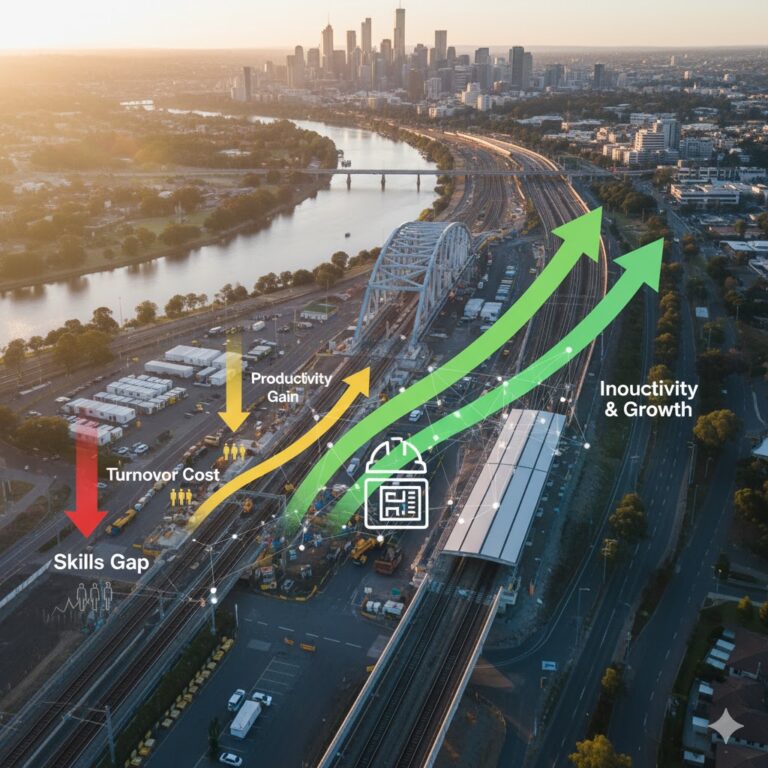
Like a multi-headed hydra, systemic challenges persist: a 26.1% gender pay gap, only 16.5% of leadership roles held by women, and a mere 8.9% of construction businesses owned by women. While companies like Multiplex, Lendlease, and John Holland prove that change is not only possible but profitable—with gender-diverse projects demonstrating 25% higher productivity and 23% improved outcomes—these statistics underscore the urgent need to accelerate action, not simply march forward.
The path to progress requires more than good intentions; it demands concrete action and measurable commitments. As Australia’s construction boom continues, with over $123 billion worth of projects in the pipeline for 2025, the industry faces a critical choice: maintain the status quo or seize the opportunity to build a more inclusive future.
Leading firms are discovering that accelerating action for women isn’t just about equality – it’s about securing the industry’s future in an increasingly competitive market where diversity drives innovation, enhances problem-solving, and strengthens bottom-line results.
At EPIC, we are committed to accelerating action, not merely marching forward. We recognize that past efforts, while valuable, are insufficient. Our focus is on urgent, targeted steps to advance gender equity in Australian Construction. On this International Women’s Day, we present 7 Recommendations to drive meaningful change:
1. Championing Women in Leadership

The Australian construction industry faces a significant leadership gap, with women occupying only 16.5% of key leadership positions according to the Workplace Gender Equality Agency (WGEA). Leading firms like Multiplex and Lendlease are taking actionable steps to change this:
– Multiplex’s “Women in Construction” program has increased female leadership representation from 12% to 22% in three years through targeted development initiatives
– Lendlease’s commitment to 50:50 gender balance in leadership by 2025 includes mandatory leadership training for high-potential women
– John Holland’s “Catalyst” program registers women for the Company Directors Course, resulting in a 30% increase in female board representation
Action Steps for Companies:
– Register women for leadership development programs like the Australian Institute of Company Directors course
– Implement structured Coaching and mentoring programs pairing senior leaders with emerging female talent
– Set specific targets for women in leadership positions with clear accountability measures
2. Promoting Gender Equality in Pay
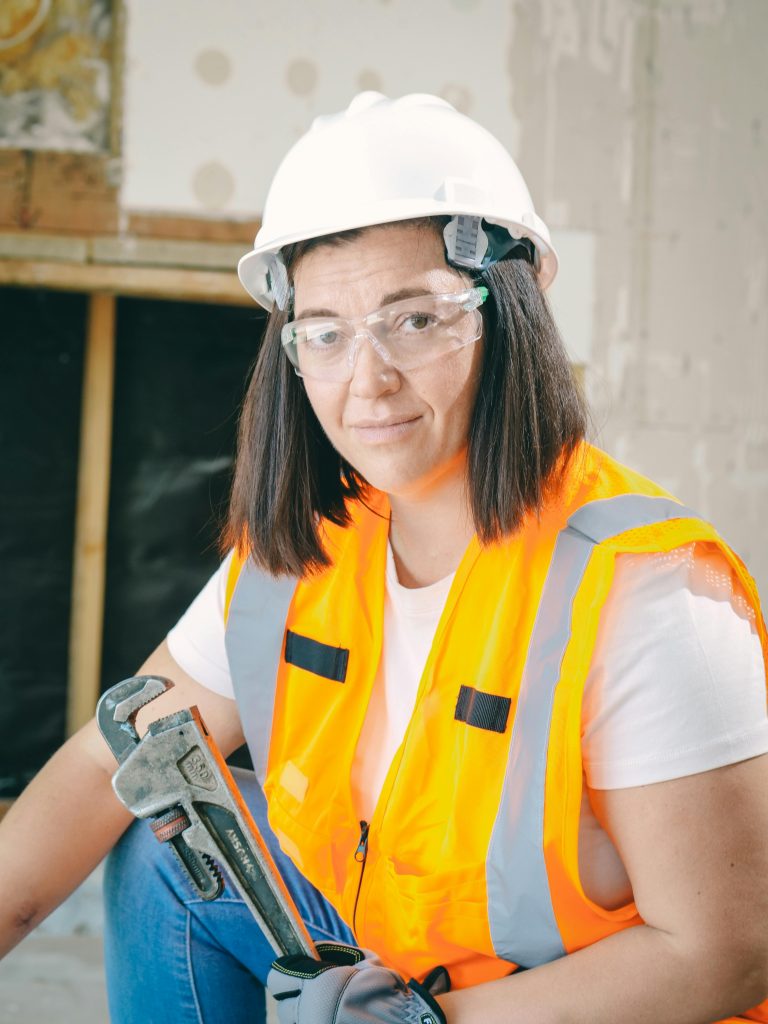
Australia’s construction industry maintains one of the highest gender pay gaps at 26.1%, significantly above the national average of 14.1%. Success stories in addressing this include:
– Built’s comprehensive pay audit system that reduced their pay gap by 8% in 18 months
– Hansen Yuncken’s transparent pay scales and promotion criteria
– Probuild’s “Equal Pay for Equal Work” initiative, resulting in a 12% reduction in their pay gap
Proven Strategies:
– Implement bi-annual pay equity audits
– Establish clear pay bands and career progression frameworks
– Remove salary history questions from hiring processes
– Create transparent bonus and overtime allocation systems
3. Creating Equal Opportunities in the Workplace

Currently, women represent only 12.7% of the construction workforce, with significant barriers to entry and advancement. Successful initiatives include:
– CIMIC Group’s “FlexWork” program, increasing female retention by 25%
– Cockram Construction’s “Return to Work” program for parents
– Kane Constructions’ site facilities upgrade program ensuring appropriate amenities for all workers
Best Practices:
– Implement flexible work arrangements including compressed work weeks
– Create parent-friendly policies including on-site childcare facilities
– Ensure appropriate facilities and PPE designed for women
– Establish clear career pathways and skill development opportunities
4. Supporting Women Entrepreneurs
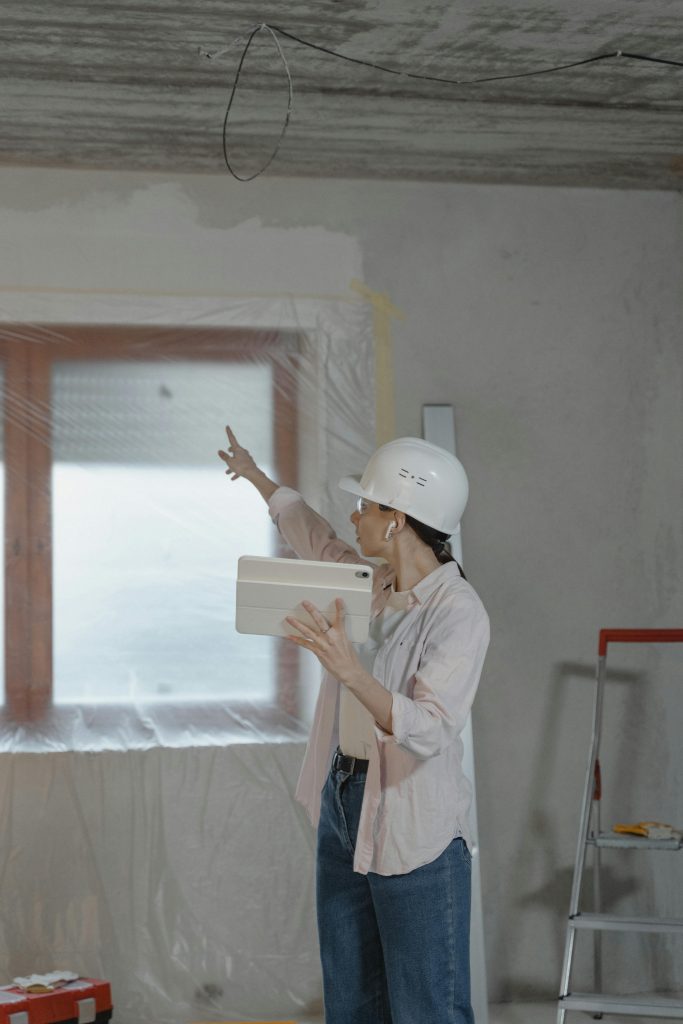
Women-owned businesses comprise only 8.9% of construction companies in Australia. Notable support programs include:
– Master Builders Association’s “Women in Construction” business mentorship program
– Property Council of Australia’s female entrepreneur grants
– Australian Constructors Association’s women’s business network
Support Mechanisms:
– Create dedicated funding streams for women-owned construction businesses
– Establish supplier diversity programs with specific targets for women-owned businesses
– Provide business development and tender writing support
5. Fostering Innovation through Diversity
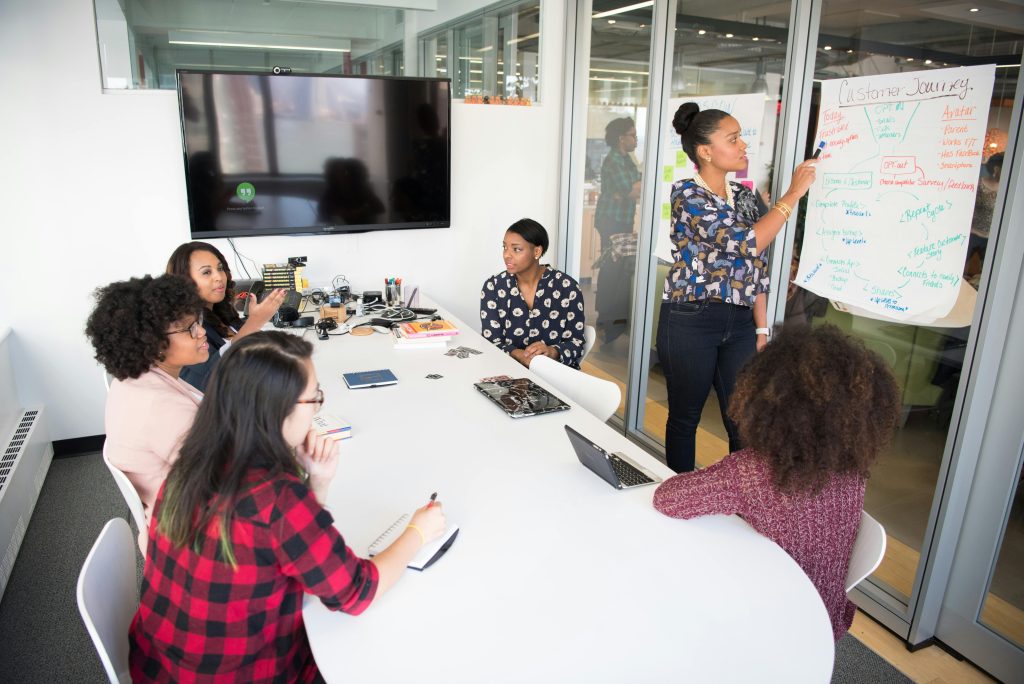
Research shows diverse teams are 35% more likely to outperform homogeneous teams in construction projects. Success stories include:
– Laing O’Rourke’s mixed-gender design teams developing innovative modular construction methods
– CPB Contractors’ diverse project teams reducing project completion times by 23%
– McConnell Dowell’s inclusive innovation hubs leading to 15% cost savings through diverse perspectives
Innovation Strategies:
– Create diverse project teams at all levels
– Establish innovation committees with minimum 40% female representation
– Implement reverse mentoring programs pairing junior women with senior leaders
6. Advocating for Women’s Health and Well-being
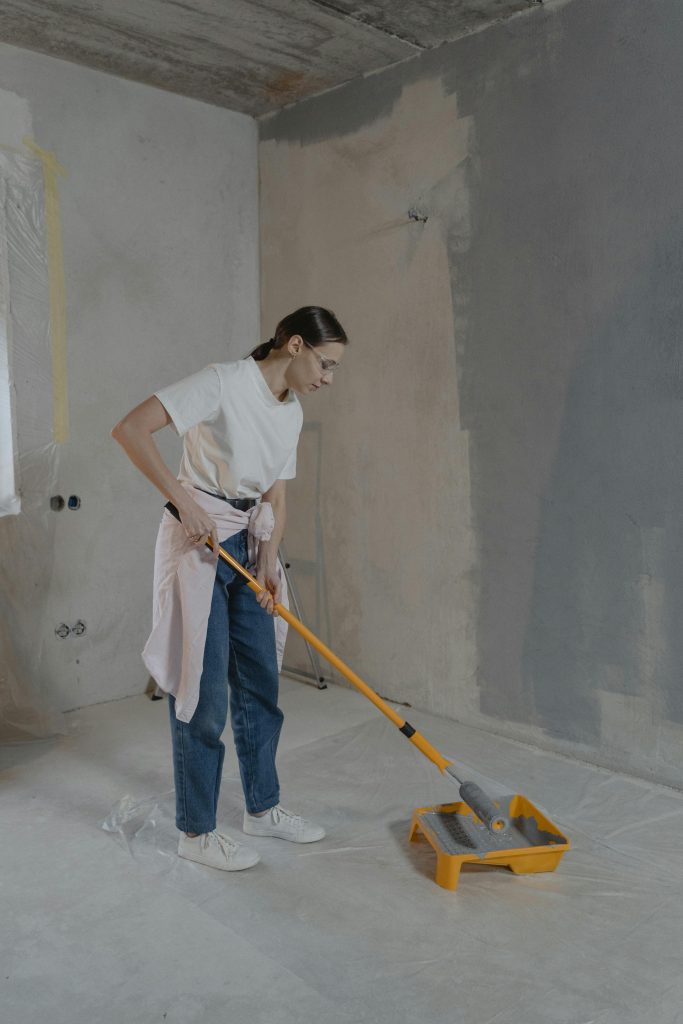
Construction has one of the highest rates of workplace stress among female employees. Leading initiatives include:
– Hutchinson Builders’ comprehensive women’s health program
– Richard Crookes Constructions‘ mental health support system
– BMD Group’s pregnancy and return-to-work support program
Health Support Framework:
– Implement women-specific health and safety programs
– Provide access to mental health support services
– Create pregnancy-friendly work environments
– Establish return-to-work programs with flexible options
7. Engaging Men as Allies

Successful male allyship programs in Australian construction include:
– Watpac’s “Champions of Change” program
– BESIX Watpac’s male ally network
– FDC Construction’s “Men Championing Change” initiative
Allyship Strategies:
– Create formal male ally programs with training and accountability
– Establish mentorship programs pairing senior male leaders with emerging female talent
– Implement unconscious bias training for all employees
– Create accountability measures for male leaders in supporting gender equality
Conclusion
The Australian construction industry has made progress, but significant work remains. Companies can accelerate change by:
– Setting specific, measurable targets for women’s advancement
– Implementing comprehensive support programs
– Creating accountability measures for gender equality initiatives
– Engaging all stakeholders in the change process
Success requires sustained commitment and investment in these seven key areas, transforming the construction industry into an equitable and inclusive sector for all.
Take Action Now:
- Assess your company’s current gender equality metrics
- Implement at least three strategies from this framework
- Set specific targets for improvement
- Create accountability measures for progress
- Join industry initiatives promoting women in construction
- Register your women for EPIC Coaching Program as part of your International Women’s Day Program
For more information on implementing these strategies, contact Angela Hucker, a seasoned construction expert with close to 30 years of experience as FIFO Worker.