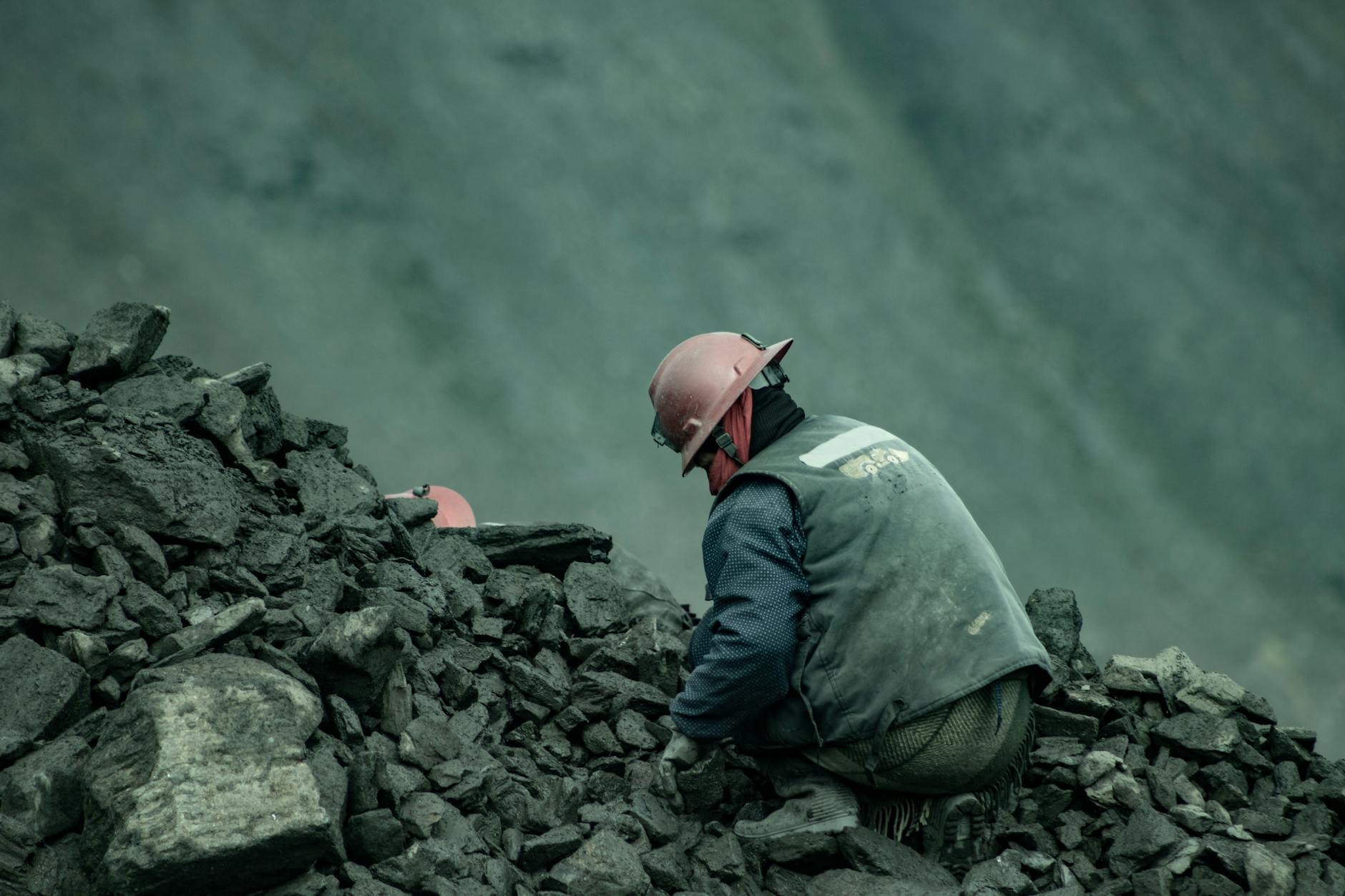
FIFO Work vs. Military Service: More Similar Than You Think
FIFO worker mental health is a topic the Australian construction and resources sector has tip-toed around for too long. In a recent conversation with Greg McDonald — a veteran trainer and safety advocate with more than 40 years across civil construction, mining, and gas, and five years in the Army Reserves — a striking parallel emerged: the lived experience of fly-in, fly-out workers and military personnel have far more in common than most people acknowledge.
This is not a metaphor. It is a structural reality that has real consequences for how we support the people who keep Australia’s infrastructure running.
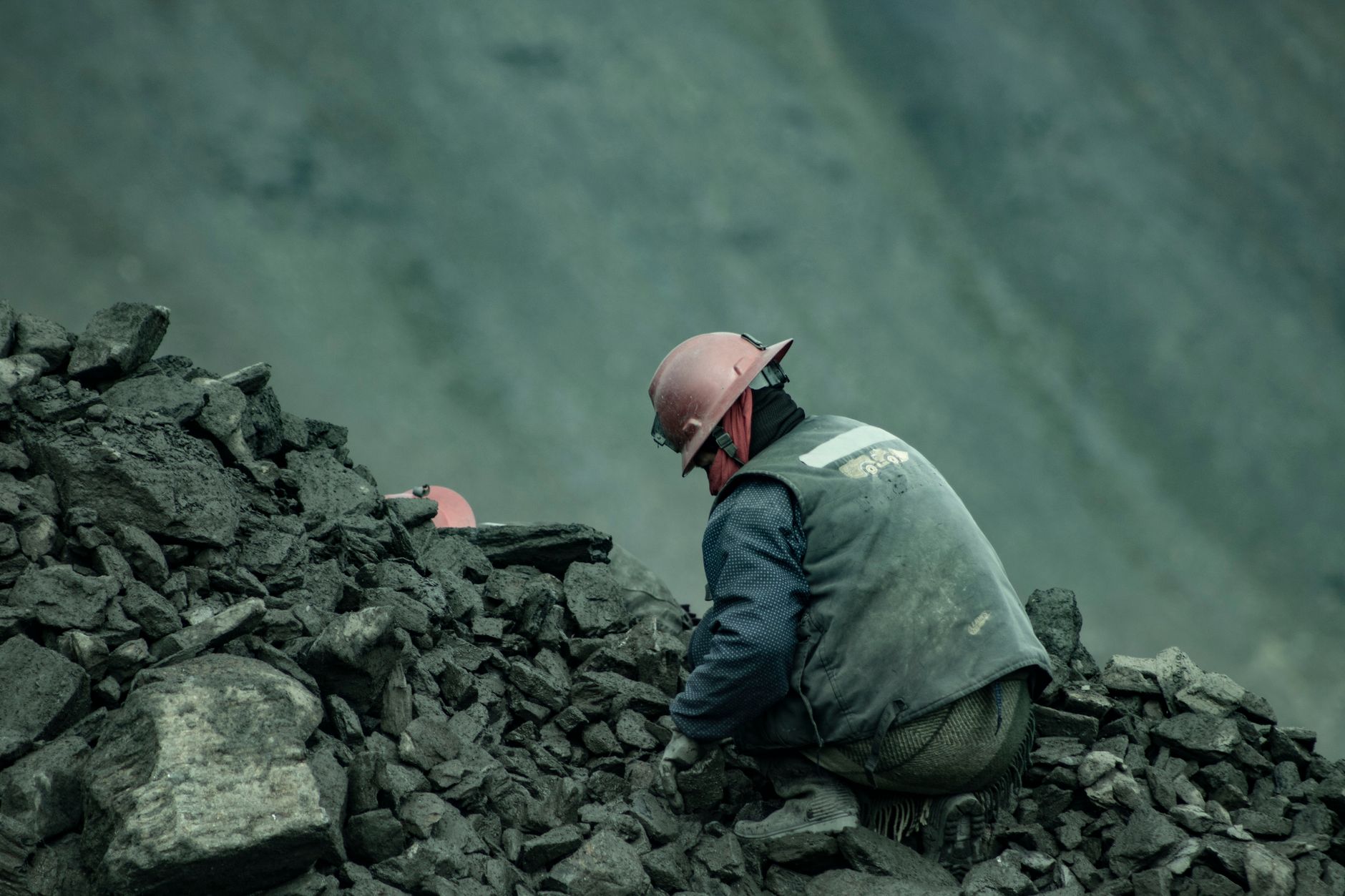
What Does FIFO Actually Mean for a Worker?
Fly-in, fly-out (FIFO) work means leaving your family, your community, and your ordinary life on a fixed roster — two weeks on, one week off, or sometimes longer swings. You are transported to a remote site, you work long hours in physically demanding and often hazardous conditions, and then you return home — sometimes to find that your household has entirely adapted to your absence.
The psychological toll of this arrangement is well-documented. Relationship breakdowns, alcohol dependency, anxiety, and depression are all elevated in FIFO populations. Yet the industry continues to treat these as personal problems rather than structural outcomes of the work arrangement itself.
| Indicator | FIFO Workers | General Workforce |
|---|---|---|
| Relationship breakdown risk | 2–3× higher | Baseline |
| Psychological distress prevalence | Significantly elevated | Average |
| Weeks away from home per year (typical) | 26 weeks | 0 |
| Access to face-to-face EAP support on site | Often unavailable | Standard in office |
The Military Comparison: Where It Holds
Greg McDonald spent five years in the Army Reserves before spending decades in the resources sector. His assessment of the comparison is direct: “They’re very much the same. You do actually have a family, a work family if you like, and you do mentor people.”
The parallels run deep:
Greg’s observation that “one you don’t get shot at, the other one you actually get maybe run over at — it’s either way, there’s high risk involved” is blunt but accurate. The nature of the risk differs; the psychological weight of living with it daily does not.
Where the Comparison Breaks Down — and Why That Matters
The military analogy is useful, not perfect. Military service carries a different social contract — it involves duty to country and a chain of command that, at its best, builds psychological resilience through cohesion and purpose. FIFO work is a commercial arrangement driven by project timelines and labour economics.
This distinction matters because it reveals the accountability gap. When a soldier develops PTSD, there is a national framework — imperfect as it is — that acknowledges the debt society owes them. When a FIFO worker develops depression or anxiety after years of isolation and roster instability, the default response from industry is: “That’s a personal matter. Have you called the EAP line?”
That is not a support framework. It is liability management dressed up as care.
What Genuine Support Would Look Like
During the discussion, Davies raised a pointed question: would it be overcompensating to give FIFO workers the same level of mental health support that veterans receive? Greg’s answer was clear: “I totally agree with you. I think currently there’s always best to have some preventative and supportive measures than none at all.”
At EPIC Services, our EPIC Elevate leadership training is built on the premise that culture change in construction starts with the people in leadership roles. Worksite mental health is not an HR policy problem — it is a leadership problem. Leaders who model help-seeking behaviour, who check in on their crews, and who create psychologically safe environments are the single most powerful protective factor available.
What a Genuine FIFO Support Framework Requires
- On-site, face-to-face psychological support — not just a phone number
- Roster design that considers reintegration, not just operational efficiency
- Leadership training that includes psychosocial hazard awareness
- Peer support programs modelled on military buddy systems
- A nationally consistent framework rather than employer-by-employer patchwork
- Safe messaging culture on site — it should be normal to say “I’m not okay”
The Industry’s Obligation
Australia’s construction and resources sectors generate hundreds of billions in economic output annually. They are built on the backs of workers who make significant personal sacrifices — time with their children, stability in their relationships, and often their own mental health.
The argument that robust mental health support is “overcompensating” for FIFO workers does not survive scrutiny. If we accept that military service creates a psychological cost that society has an obligation to address, then the same logic applies to any work arrangement that systematically removes people from their support networks, exposes them to serious physical risk, and then expects them to simply “deal with it.”
The question is not whether FIFO workers deserve the same support as veterans. The question is why it has taken this long to even have the conversation.
Explore EPIC’s construction leadership programs or get in touch to discuss how we can work with your organisation on psychosocial safety and workforce wellbeing.
Angela Hucker is a construction culture reform advocate with over 30 years of industry experience. She works with organisations across Australia to build genuine leadership capability and psychosocial safety. Learn more about Angela’s work.