By Angela Hucker, Founder and CEO, EPIC
Ask any crew on any site in this country how they know the program is in trouble, and almost nobody will mention the program.
They will tell you the supervisor stopped saying good morning. He walks past instead of stopping. His questions got shorter. He is on the phone in the ute for longer than usual. Somebody got spoken to in front of everyone last Tuesday and it was not really about the thing he did.
The crew reads the pressure off the leader long before anyone tells them what it is. And by the time they are reading it, they are already carrying it.
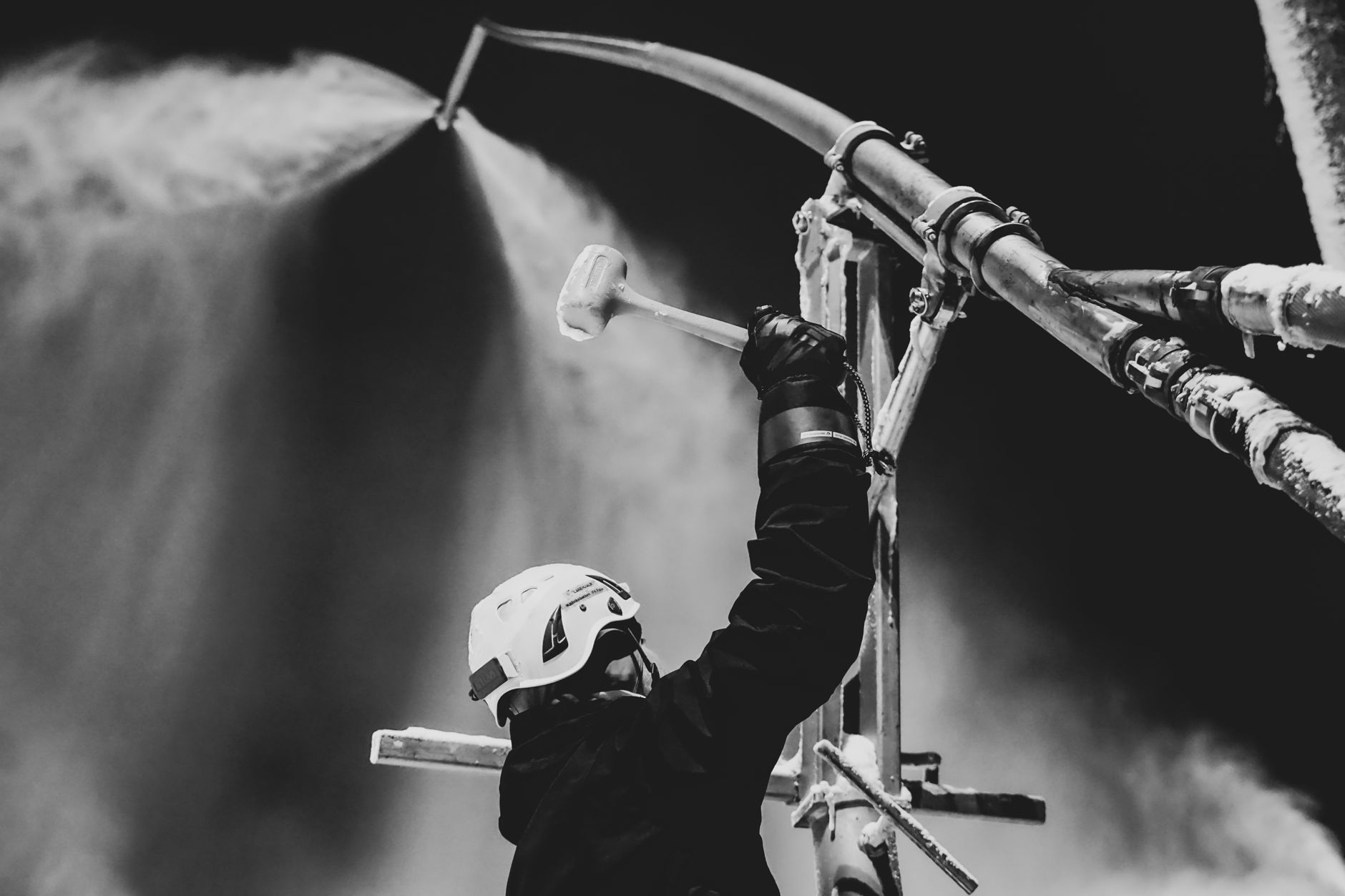
Pressure and time management came up again and again in what construction leaders tell us before they walk into a workshop. It is the most consistent thing people name about their own leadership: not that they lack knowledge, but that under load they become someone they do not entirely like.
This article is about where that pressure actually goes.
1. The resilience argument, and what it quietly assumes
The standard industry answer to pressure is resilience. Build tougher people. Run the wellbeing session. Put the posters up. Teach workers breathing techniques and get an app.
I am not against any of that. Some of it genuinely helps, and the people delivering it are usually doing good work in good faith.
But notice what the resilience argument assumes. It treats pressure as weather. Something that arrives from outside, that nobody generates, that the workforce simply has to be strong enough to withstand. And once you accept that framing, every intervention gets aimed at the person receiving the pressure, and almost none at the person transmitting it.
We have spent a decade teaching construction workers to be resilient. We have spent almost no time teaching construction leaders to stop being the thing they need resilience against.
That is not a criticism of supervisors. It is a criticism of how we have set the problem up. Because here is the thing about pressure on a construction site: it does not disappear when it reaches a leader. It gets passed on, held, or converted. Those are the only three options, and most untrained leaders only have access to the first one.
“Pressure is unavoidable in construction. Passing it down through aggression, urgency and unpredictability is not.”
2. Pressure arrives from three directions, not one
Most people picture pressure as coming down from above. It does, but that is only a third of it, and treating it as the whole picture is why so many leaders feel ambushed by their own week.
From above: the program, the budget, the client, the head contractor, the principal, the report that is due, the variation that has not been approved, the manager who wants a number by four o’clock.
From below: a crew member whose work has slipped and everyone knows why, an apprentice who needs more than you have time to give, two people who are not speaking, someone who is clearly not travelling well, a resignation you did not see coming.
From across: the other trades, the subcontractors working to a different program, the delivery that did not arrive, the design change that landed at seven, the supervisor on the next work front who needs the same crane you do.
A supervisor absorbing all three simultaneously, with no framework for separating them, will default to the fastest available release valve. On a construction site that is almost always volume, urgency, or a short answer to someone who did not deserve one.
3. Emotional leakage: what your crew actually receives
Very few leaders in this industry deliberately dump on their teams. The damage is almost never intentional. It leaks.
Emotional leakage is the gap between what you meant and what your crew received. You meant to ask for an update. What arrived was an interrogation. You meant to move quickly. What arrived was contempt for how slowly everyone else works. You meant to stay out of it and think. What arrived was a leader who has gone cold and nobody knows why.
Withdrawal deserves particular attention here, because the industry reads it as the safe option. A leader who goes quiet under pressure believes they are protecting the team. From the crew’s side, a leader who stops communicating is a leader who is either angry with them, hiding something, or about to be replaced. People fill silence with the worst available explanation. They always have.

Four pressures, two responses
Same input, same site, same day. What changes is what the crew receives.
| Transmitted | Contained and converted | |
|---|---|---|
| Program slips | Everything becomes urgent. Every task is now a priority, which means nothing is. | Names the slip, re-sequences openly, tells the crew what actually changed and what did not. |
| Budget tightens | Short answers, visible frustration, decisions made without explanation. | Explains the constraint, says what is now off the table, asks where the crew sees waste. |
| Client changes scope | Blames the client in front of the crew, then demands they absorb it anyway. | Separates what is controllable from what is not, protects the crew from the noise, holds the standard. |
| Someone is not performing | General frustration aimed at everyone. The reliable workers wear it too. | Deals with the individual privately and specifically. Does not tax the whole crew for one person. |
| Leader is at capacity | Goes quiet, cancels the toolbox talk, stops walking the job. | Says out loud that it is a heavy week, keeps the routines, asks for help upward rather than downward. |
Containment is not absorption. A leader who swallows everything is building a personal injury, not a functioning crew.
4. Where pressure and hierarchy become intimidation
This is the part of the conversation that construction finds hardest, so let me be direct about it.
The same sentence lands differently depending on who says it. When you hold the roster, the hours, the next start and the reference, your ordinary frustration is not received as ordinary frustration. It is received as a signal about someone’s job.
Add pressure to that power gap and the distance between “having a firm word” and “intimidating someone” narrows very quickly. Not because the leader is a bully. Because volume, audience and unpredictability change what a worker experiences, regardless of what the leader intended.
This is not a matter of manners. Psychosocial hazards, including bullying, intimidation, unreasonable job demands and low support, are regulated under work health and safety law across Australian jurisdictions, and Safe Work Australia publishes model guidance on identifying and controlling them. A leader who reliably transmits pressure as aggression is not simply having a hard month. They are operating an uncontrolled hazard.
Where that line actually sits, and how to stay firm without crossing it, is the subject of managing underperformance without bullying.
Those last two figures come from the evidence base behind the EPIC Construction Leadership Report 2026 and the psychosocial risk case underpinning EPIC RISE. They are worth sitting with. Psychological injury is not the cheap kind of harm. It is the expensive kind, and it takes far longer to resolve.
Support: if this article raises something difficult for you or someone on your crew, MATES in Construction is available on 1300 642 111 and Lifeline on 13 11 14, both 24 hours a day.
5. Calm is not passive
Whenever I raise this with a room of construction leaders, someone pushes back, and the pushback is fair. It usually sounds like this: if I stay calm about everything, people will think nothing matters.
They are right to worry. A leader who never shows that something is serious teaches a crew that nothing is. I have seen sites where the supervisor was so determined to be even-tempered that standards quietly evaporated, and the good workers left first because nobody was holding the line.
So let me separate two things that get confused constantly.
Calm is about your state. Direct is about your message. They are independent. You can be calm and direct, which is what good leadership under pressure actually looks like. You can be agitated and vague, which is the worst combination and unfortunately the most common one, because an agitated leader tends to communicate feeling rather than content.
“This is not acceptable and here is what has to change by Thursday” is calm and direct. Shouting it adds nothing to the content. It only adds fear, and fear does not improve the work. It improves the reporting of the work, which is a different and much more dangerous thing on a construction site.
Dominance gets compliance while you are watching. Influence gets commitment when you are not.
6. The pause, and what goes in it
Everything above comes down to a very small window: the few seconds between receiving pressure and passing it on. That window is where an accidental leader and an intentional leader diverge, and it is completely trainable.
The pause: five seconds before you speak
A repeatable routine for the moment between receiving pressure and transmitting it
-
1
Notice your own state first
Jaw, shoulders, breathing, the speed of your speech. You cannot manage what you have not registered. Most leaders find their body knows before they do. -
2
Name the pressure to yourself
Is this from above, below or across? Naming it stops three unrelated pressures being delivered to one apprentice as a single mood. -
3
Split control from influence
What can I actually change, what can I only influence, and what do I simply have to plan around? Most site frustration is about things in the third category. -
4
Decide what the crew genuinely needs to know
Not everything upward should travel downward. Filtering is a leadership act. Withholding entirely is not, because people fill silence with worse. -
5
Choose the channel deliberately
Whole crew, small group, or one person privately. Broadcasting an individual issue to fifteen people taxes fourteen who did nothing wrong.
Five seconds is realistic on a live site. That is the point. A routine that needs a quiet office will never be used.
This is the first module we run on day one of EPIC Elevate, before communication, before hard conversations, before anything about leading others. The order is deliberate. A leader who cannot manage their own state under load will transmit every pressure they receive, and no amount of communication technique survives that.

7. What should change
1. Stop aiming every pressure intervention at the workforce. If your entire response to a high pressure environment is resilience training for workers, you have decided that the transmission point is not your problem. Train the leaders who set the emotional weather on each work front.
2. Give leaders somewhere to put it. A supervisor with nowhere to take pressure will put it on the nearest available person. A peer group, a mentor who has done the job, or structured coaching gives it a legitimate destination that is not the crew.
3. Protect the routines that go first. The toolbox talk, the walk around, the one to one, the Friday check in. These are the first things cancelled in a heavy week and the exact things a crew uses to judge whether they are still being led. Treat them as non-negotiable, especially when they feel least affordable.
4. Name the pressure out loud. “This is a heavy fortnight, here is why, here is what I need from you, here is what I am protecting you from” is not weakness. It is the single fastest way to stop a crew inventing a worse story. Unexplained pressure is always experienced as personal.
5. Ask the question upward. If you manage supervisors, stop asking only what is finished. Ask how their crew is travelling, and ask what pressure they are currently holding that you put there. You will learn more in five minutes than in a month of program reports.
The leader is a transfer point
Construction will not become a low pressure industry. The programs are tight, the margins are thin, the weather does not care, and the client will change their mind at four o’clock on a Friday. Nobody serious is arguing otherwise.
What is genuinely available to us is the quality of the transfer. Every frontline leader in this country is a point through which pressure passes on its way to a crew. Untrained, they pass it through raw, amplified by hierarchy and shaped by whatever style they came up under. Trained, they convert it into something a team can act on: a clear priority, an honest constraint, a re-sequenced week, a decision.
That conversion is the job. It is also the thing almost nobody was taught.
Give your leaders the framework
Explore EPIC Elevate, where handling pressure is the first module on day one, followed by four months of support back on site. If you want the industry evidence behind it first, the Construction Leadership Report 2026 is free, or get in touch to talk about your crews specifically.
Be Kind Always.
Frequently Asked Questions
How does pressure change a construction leader’s behaviour?
Under load, most untrained leaders default to the fastest release available: volume, urgency, impatience, or withdrawal. The tone shortens, decisions stop being explained, and routines like toolbox talks get cancelled. The crew reads all of it and starts managing the leader instead of the work. Recognising your own triggers is the first capability we teach on EPIC Elevate.
What is emotional leakage in leadership?
Emotional leakage is the gap between what a leader intended and what their team received. You meant to ask for an update and it arrived as an interrogation. You meant to think quietly and it arrived as the boss going cold. It is rarely deliberate, which is precisely why it needs a deliberate routine to interrupt it.
Does staying calm mean going soft on standards?
No. Calm describes your state, direct describes your message, and the two are independent. Calm and direct is what good leadership under pressure looks like. Agitated and vague is the worst combination and the most common, because an agitated leader communicates feeling rather than content. See managing underperformance without bullying for how to hold a hard line respectfully.
When does pressure from a supervisor become bullying or intimidation?
Power changes how a message is experienced. When someone controls your hours, your next start and your reference, ordinary frustration is received as a signal about your job. Repeated unreasonable behaviour that creates a risk to health and safety is a psychosocial hazard regulated under work health and safety law, with guidance published by Safe Work Australia and information on workplace bullying available from the Fair Work Commission.
What can a construction business do about pressure at the frontline?
Stop aiming every intervention at the workforce and train the transmission point. Give leaders a legitimate destination for pressure such as a peer group or coaching, protect the routines that get cancelled first, and if you manage supervisors, ask how their crew is travelling rather than only what is finished.